


A Complete Guide to Brown Asbestos: Identification & Removal


When it comes to asbestos in UK buildings, not all types carry the same risk profile or appear in the same places. Brown asbestos is one of the most commonly encountered forms in older properties, and understanding what it is, where it hides, and why it must be handled correctly could make a significant difference to the safety of your home or workplace.
What is brown asbestos?
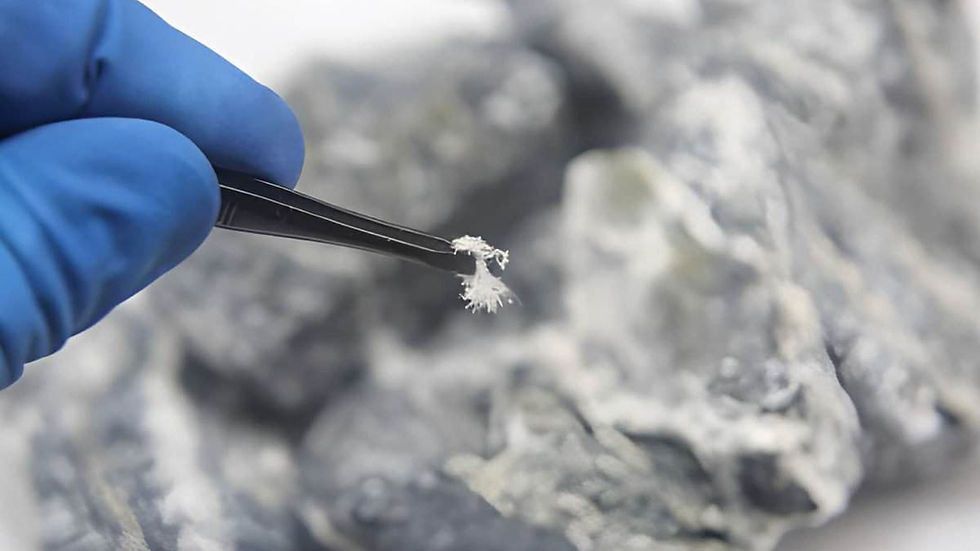
Brown asbestos is the common name for amosite asbestos, a form of the mineral derived primarily from South Africa. It belongs to the amphibole group of asbestos fibres, which are known for being particularly brittle and sharp, characteristics that make them especially hazardous when disturbed.
Amosite asbestos was widely used throughout the UK construction industry from the early twentieth century right through to the late 1980s. Its strength and resistance to heat made it a popular choice for a broad range of building materials, and it was only banned in the UK in 1999 alongside all other forms of asbestos.
Where is brown asbestos typically found?
One of the reasons brown asbestos remains a concern for property owners is how broadly it was applied during construction. It was most frequently used in thermal insulation, pipe lagging, and ceiling tiles, but it also appeared in insulation boards, fire protection materials, and spray-on coatings applied to structural steelwork.
If your property was built or refurbished before the year 2000, it should be presumed to potentially contain asbestos-containing materials until a professional assessment has confirmed otherwise. This is a principle we apply across every job. Caution first, always.
Why Asbestos Identification Matters
Proper asbestos identification is the essential first step before any renovation, demolition, or maintenance work begins on an older building. Brown asbestos fibres, like all asbestos fibres, are invisible to the naked eye once airborne. This means that a material which looks entirely harmless could pose a serious health risk the moment it is drilled into, cut, or otherwise disturbed.
Visual inspection alone is never sufficient for reliable asbestos identification. Professional testing, which involves taking samples and having them analysed in an accredited laboratory, is the only way to confirm whether a material contains asbestos and which type is present. Our team carries out thorough asbestos testing, giving property owners the clarity they need before any work proceeds.
The Risks of Exposure to Amosite Asbestos
The health consequences of asbestos exposure are well documented. Inhaling amosite fibres can cause serious conditions, including mesothelioma, lung cancer, and asbestosis, all of which can take decades to develop following exposure. Brown asbestos is considered to carry a higher risk than white asbestos (chrysotile) due to the nature of its fibres, making professional handling absolutely non-negotiable.
Professional Removal Is the Only Safe Option
If brown asbestos is identified in your property, it is not something to address yourself. Removing or disturbing asbestos-containing materials without the correct training, equipment, and licensing is both dangerous and illegal. Our team at MD Asbestos Solutions is fully trained and accredited for asbestos removals, holding the necessary waste carriers licence.
We use the correct respiratory protective equipment and personal protective equipment throughout every job, and wherever possible, we remove materials whole to minimise fibre release before wrapping and disposing of them at a licensed facility.
Get in Touch with Our Team
If you suspect brown asbestos or any other asbestos-containing material may be present in your property, do not delay. You can trust our team to handle your property safely, professionally, and with minimum disruption. Get in touch with us directly for support, testing and asbestos removals.


Comments